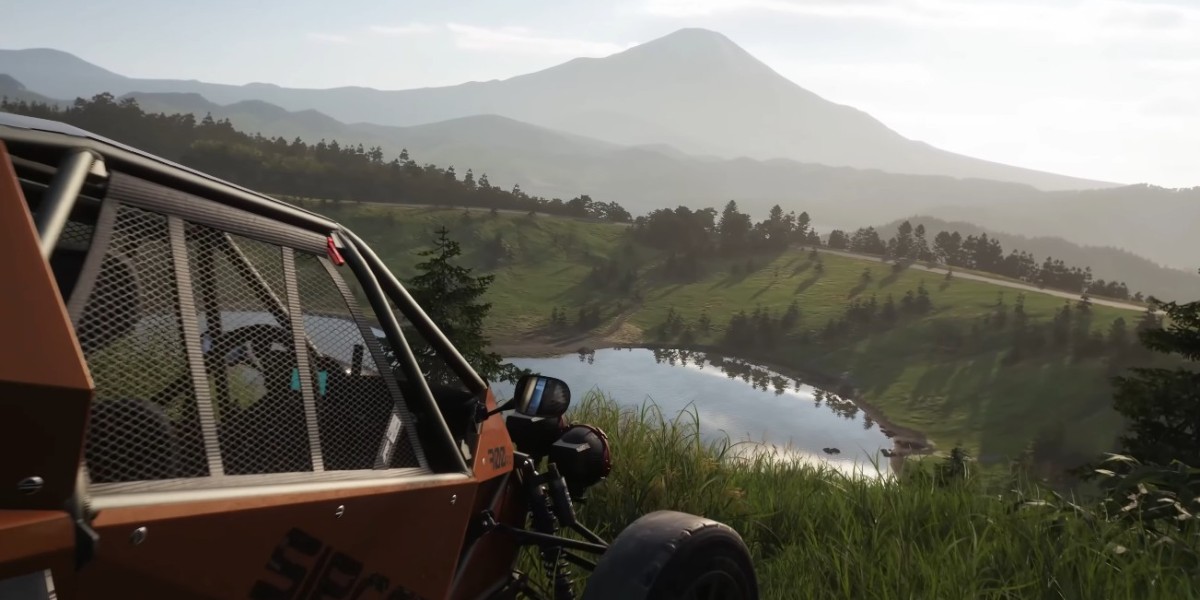
In Forza Horizon 6, Japan’s map is massive, dense, and packed with diverse driving challenges. From the neon-soaked streets of Tokyo to high-altitude mountain passes and serene bamboo forests, each environment changes how you drive. Here’s a breakdown of what to expect and how to tackle it like a pro.
The Cities: Tokyo & Beyond
Japan’s urban areas are a mix of chaos and precision. Tight corners, multiple elevation levels, and bustling traffic make city driving both fun and punishing.
- Shuto Expressway – Perfect for high-speed runs. Top-end gear ratios shine here, but watch out for toll booths and “Rush Hour” traffic spikes.
- Akihabara & Shinjuku – Narrow side streets, sharp 90-degree corners, and multi-level parking structures are ideal for drift practice. Lightweight cars and responsive steering excel here.
- Kyoto Districts – Traditional Machiya-style roads are stone-paved and narrow. Softer suspension setups help maintain grip without scrubbing too much speed.
Tip: In city zones, watch your braking points—hitting curbs or walls will eat momentum and ruin your drift chains.
The Mountains: Touge Paradise
The mountain ranges in FH6 are some of the steepest and most technical the series has ever had. Elevation changes demand precision and respect for physics.
- Mount Fuji – The iconic climb offers high-speed corners that test your handling. Descending is a drift enthusiast’s dream, with hairpins that demand perfect brake-to-throttle transitions.
- Volcanic Peaks – Expect snow and ice at higher altitudes during winter seasons. AWD swaps or winter tires aren’t optional if you want to stay competitive.
- Hidden Tunnels – Echo-heavy tunnels not only sound amazing but can hide tricky tight curves and sudden elevation drops. Perfect spots to flex your exhaust note while maintaining control.
Tip: For mountain runs, adjust downforce and tire grip to match the terrain. Lightweight rally cars often outperform heavier hypercars in tight passes.
The Forests: Bamboo & Cedar
Japan’s forests are more than eye candy—they provide some of the best off-road challenges.
- Arashiyama Bamboo Grove – Narrow, twisting trails lined with bamboo. Hitting thicker stalks slows you down, so precision is key. The destructible environment adds realism to every pass.
- Deep Cedar Forests – Fog and damp tracks reduce visibility and traction. Rally tires and high-beam lighting from the new “Aero & Lighting” customization can make a huge difference here.
Tip: Use your suspension tuning to handle bumps and roots. Lightweight cars with good torque dominate these trails.
Seasonal Impact
Japan’s changing seasons dramatically affect visuals and sometimes driving conditions:
- Spring – Cherry blossoms (Sakura) color parks and city outskirts, creating stunning photo opportunities. Momentum isn’t affected, but watch for visual distractions in dense groves.
- Autumn – “Koyo” season paints the mountain forests in fiery red and orange. Off-road trails remain consistent, but photo mode shots reach peak cinematic quality.
Pro Gamer Notes:
- Switch between AWD, RWD, and FWD depending on your environment: AWD in mountains and forests, RWD for city drifting.
- Photo Mode is a must—each biome offers jaw-dropping visuals for shareable shots.
- Custom tuning is key: suspension, tires, aero, and lighting all matter depending on terrain.
From high-speed expressways to tight bamboo trails, mastering FH6’s environments will make you a legend in the Japan map. Whether you’re chasing drift chains in Shinjuku or carving through Mount Fuji hairpins, the key is adjusting your ride to the terrain—and enjoying the ride.